What & Why HHE?
(Harvesting Health Event)
Harvesting Health Event - A Rural Wellbeing Day is a free community event dedicated to improving the health, wellbeing, and resilience of people living and working in rural and regional communities.
Created by Torrumbarry local and community advocate Mel Taylor, HHE was born from a simple but important observation: rural people are often the first to help others but the last to prioritise their own health and wellbeing.
The initial idea took shape when Mel shared her early thoughts with another valued community member, Cill. From there, a connection with Dell and Kristy from the Population Health Team at ERH helped turn that small pipe dream into something real. This team of like‑minded women saw the potential in an event like this and formed a unique collaborative group that has worked tirelessly to shape HHE into what it is becoming.
For many people living in farming communities, taking time away from work, family responsibilities, livestock, crops, and businesses can feel impossible. Health appointments are often delayed, preventative health checks are overlooked, and conversations about mental health, financial pressures, and succession planning are put off until a crisis occurs.
HHE aims to change that.
The event has been designed as a practical, welcoming, and informative day where rural people can access health services, expert advice, community connections, and important conversations all in one location. HHE has never been about one person - it’s about collaboration, community, and bringing people together who genuinely care about improving the health and wellbeing of rural communities.
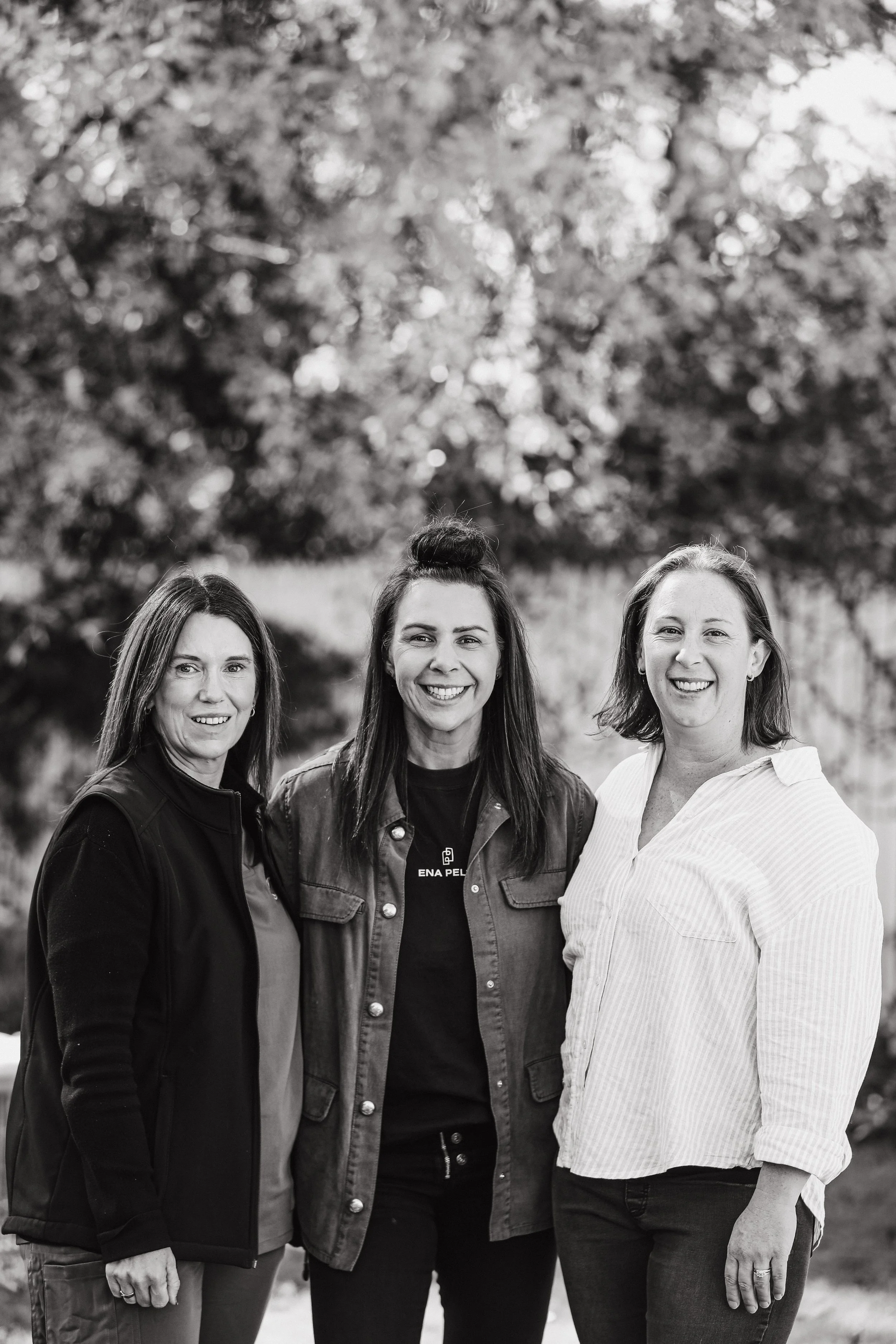
Pictured (Left to Right): Kristy Puls & Danielle Paterson from Echuca Regional Health Population Health with Mel Taylor.
Why HHE matters
Across rural Australia, communities are changing.
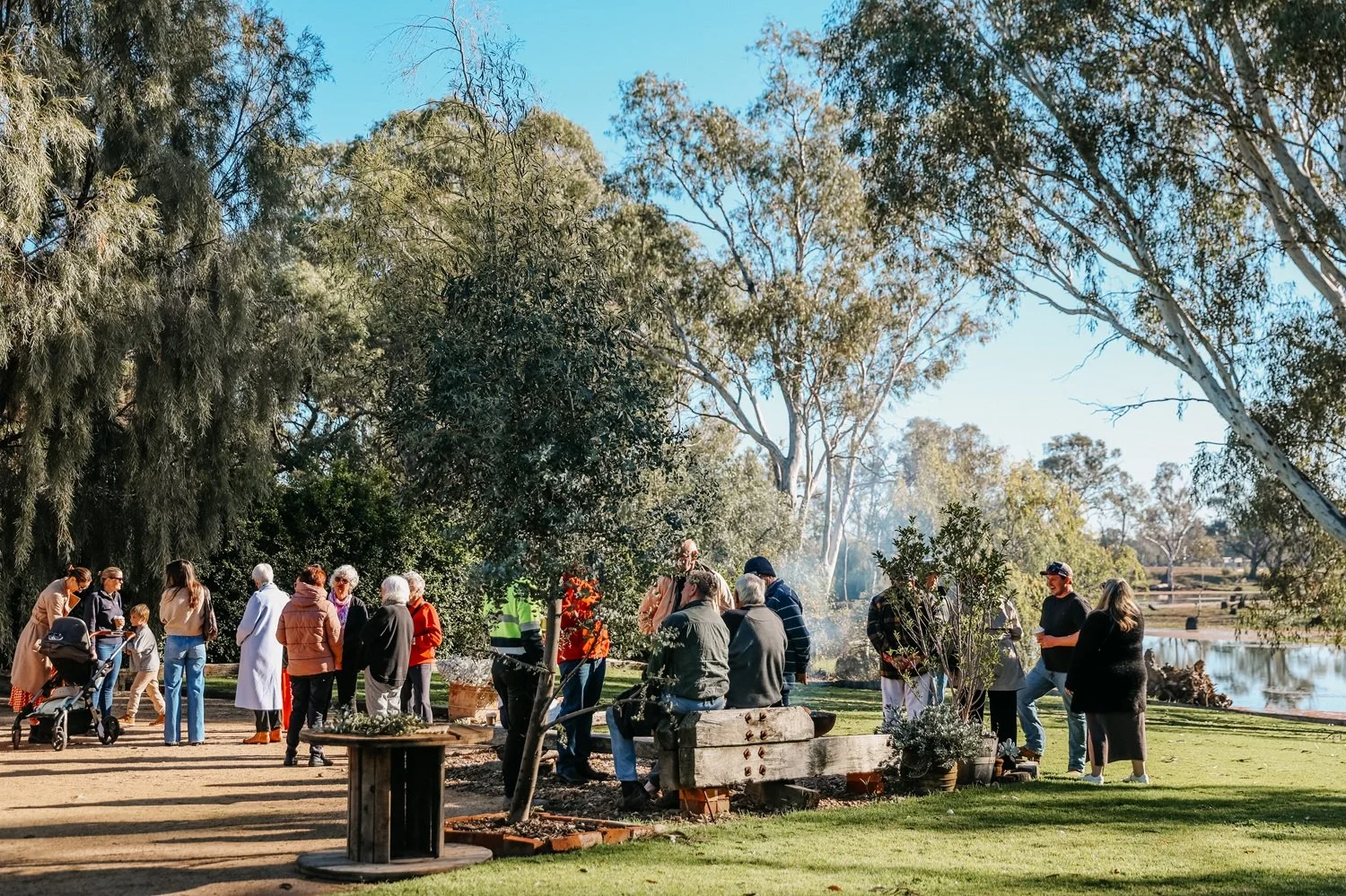
Many small towns have even seen schools close, local businesses disappear, and community gathering places become less frequent. In our own region, the closure of facilities such as Welton Primary School and the Torrumbarry Hotel has reduced opportunities for people to regularly connect with one another.
At the same time, access to healthcare is becoming increasingly challenging. Rural residents often travel significant distances to access services, and many medical practices are under pressure. Some GP clinics have implemented policies where patients who have not attended an appointment within a specified period may no longer be considered active patients, creating additional barriers reconnecting with healthcare when it is needed.
These challenges can leave people feeling isolated and disconnected from both health services and their wider community.
HHE recognises that health is about far more than physical wellbeing. Strong communities, social connection, financial security, access to services, and opportunities to seek support all contribute to better health outcomes.
By bringing people together in one place, HHE hopes to strengthen community connections while making important services more accessible.
The Story behind HHE
The idea for HHE began through conversations within the local community.
Like many rural Australians, Mel witnessed firsthand the pressures facing famers, agricultural workers, business owners, and families. Rising costs, seasonal uncertainty, workforce shortages, and increasing demands on time have created significant challenges for many households.
Health often becomes something that gets pushed down the priority list.
What started as a conversation about creating a community event quickly gained momentum when local health organisations, community groups, businesses, and volunteers recognised the need for a dedicated rural wellbeing event.
Today, HHE is supported by an incredible team of passionate individuals and organisations committed to improving health outcomes for rural communities. Through partnerships with healthcare providers, local businesses, community organisations, sponsors, and volunteers, the vision has grown into a comprehensive wellbeing event designed specifically for regional people.